Integrating Real-Time AI Speech-to-Text in Web Apps: Web Audio API & Noise Suppression
Kowshik Valipireddy
Full Stack & React Native Mobile Engineer
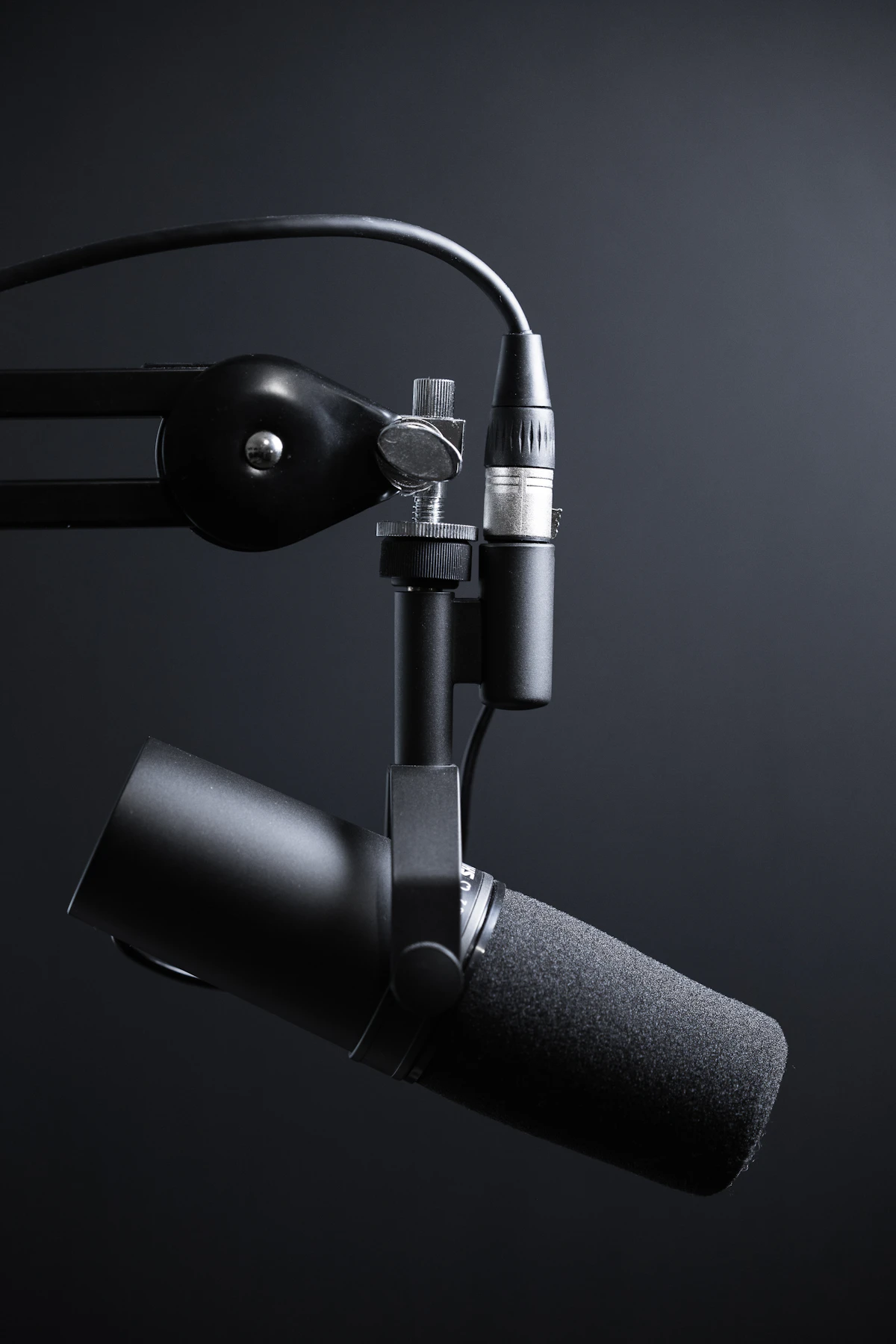
Building clinical-grade speech recognition into browser applications requires solving background hospital noise, variable microphone sensitivity, and low-latency audio packet streaming.
1. The Challenge of Noisy Microphone Input
Raw microphone input captured via navigator.mediaDevices.getUserMedia() contains ambient fan noise, room reverberation, and keyboard clicks that degrade AI model transcription accuracy.
2. Web Audio API & Biquad Filter Nodes
We process audio through an AudioContext pipeline using a high-pass filter (cutoff 80Hz) to remove low-frequency rumble and a dynamics compressor node to normalize speech volume:
const audioCtx = new AudioContext();
const source = audioCtx.createMediaStreamSource(stream);
const filter = audioCtx.createBiquadFilter();
filter.type = 'highpass';
filter.frequency.value = 80;

source.connect(filter);
filter.connect(audioCtx.destination);
3. Streaming Audio Buffers to AI Endpoints
Audio chunks encoded as lightweight 16kHz mono PCM are streamed via WebSockets to speech-to-text transcription models, returning real-time transcription tokens within 350ms.
4. Structuring Clinical Notes with AI
A secondary LLM parsing pipeline converts unstructured transcripts into formatted SOAP notes (Subjective, Objective, Assessment, Plan) with validated prescription doses, reducing doctor manual entry time by 65%.
AI Technical Interviewer — Voice Synthesis & Speech Processing
See how neural voice synthesis and low-latency audio pipelines were implemented in production.
Related Topics & Technologies
Kowshik Valipireddy
AuthorFull Stack & React Native Mobile Engineer
Full Stack Developer & React Native Mobile Engineer specializing in React, Next.js, React Native (iOS & Android), TypeScript, Node.js, and AI workflows. Building fast, accessible, and high-performance cross-platform applications.
Recommended Articles
View allHow I Built a 100% Offline Figma-to-Code Plugin for React, Tailwind CSS & Next.js
An architectural deep-dive into building the Figma to Code plugin: traversing Figma scene graphs, converting Auto Layouts into semantic Tailwind CSS & React JSX, and packaging full projects offline.
Mastering GSAP in Next.js 15 & React 19: 60fps Scroll Animations, Timelines & Zero Jitter
A complete masterclass on building fluid, 60fps interactive animations in Next.js 15 and React 19: scoped useGSAP lifecycle management, ScrollTrigger scrub timelines, and avoiding SSR hydration glitches.
Architecting a Real-Time Voice AI Technical Interviewer with WebSockets & Monaco Editor
The systems architecture behind a voice-first technical assessment platform: sub-300ms speech synthesis, WebSocket editor deltas, deterministic finite state machines, and code sandbox evaluation.